The verified story
A life carried forward in the record.
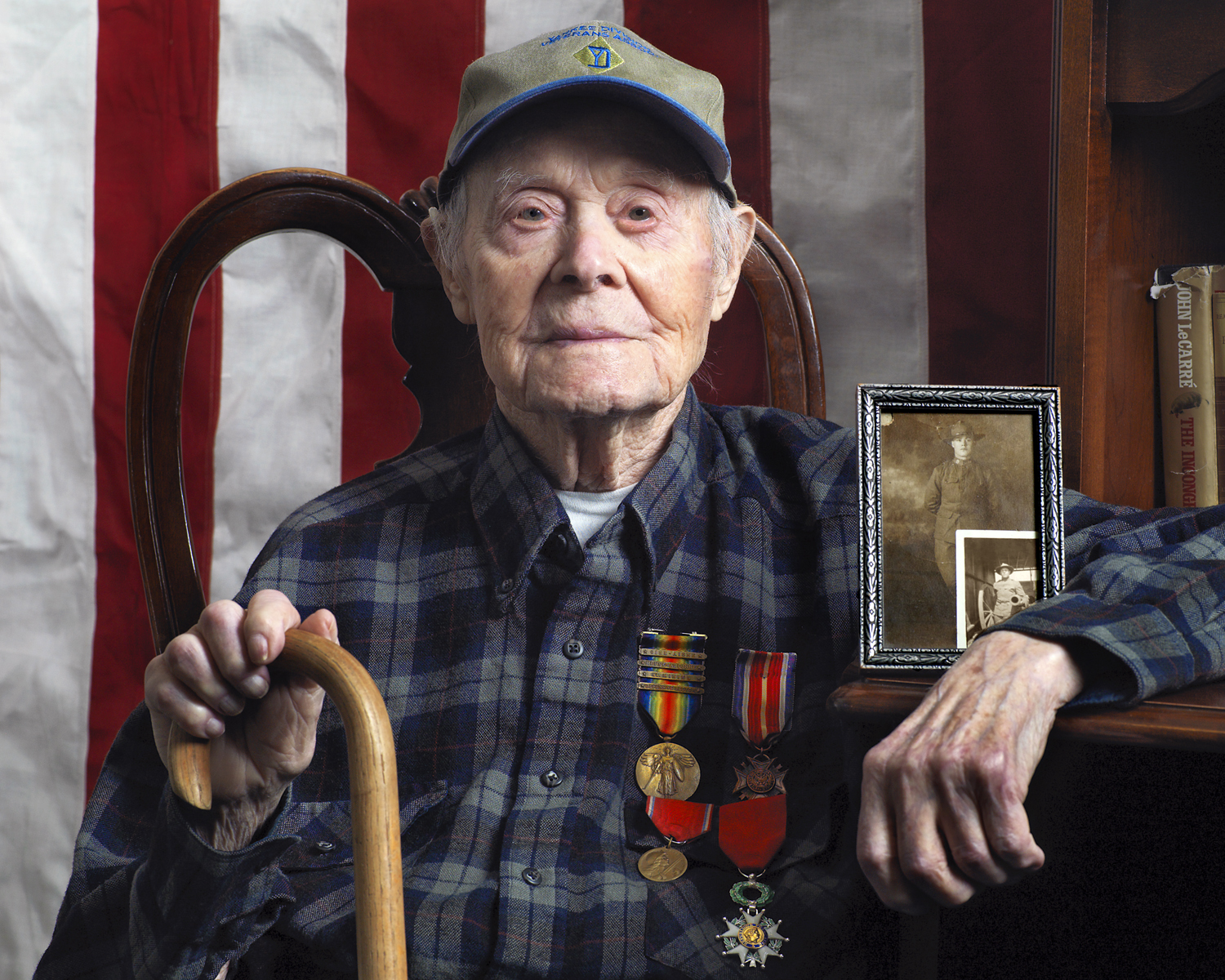
Antonio “Anthony” Pierro was born in Forenza, Italy, in February 1896 and immigrated to the United States as a young man. Small in stature—about five feet tall and 120 pounds in DeJonge’s account—he trained at Fort Dix and served in France with the 82nd Division’s 320th Field Artillery.
Pierro’s war was physical and immediate. He moved ammunition forward by horse-drawn wagon during the Saint-Mihiel and Meuse-Argonne offensives, working under shellfire near the front. He later described learning French commands because the Army’s horses had come from France: to make them move, he called “Allez!” France eventually recognized his service with the Légion d’Honneur.
When DeJonge reached him in Massachusetts, Pierro could no longer stand, but the rituals of courtesy remained. He greeted visitors with a warm smile and, when nurses approached, kissed their hands. The gestures gave the encounter an intimacy that military statistics cannot. Behind them stood the scale of the final American offensives; before the camera sat one elderly man who had tended frightened animals and carried artillery ammunition through that violence.
Pierro spent most of his final years at home with family. His portrait holds the contrast: a gracious, diminutive figure whose memory led directly to two of the largest battles fought by American forces in the war. It is a record of combat without spectacle, told through work, language, horses, and the habits of an old-world gentleman.