Faithful translation
The screen, proof, paper, ink, and final viewing environment belong to one color decision.
Founder · Photographer · Builder
Two visual enterprises, separated by subject but joined by method: master the craft, earn trust, solve the physical problem, and create an institution capable of carrying the work farther.
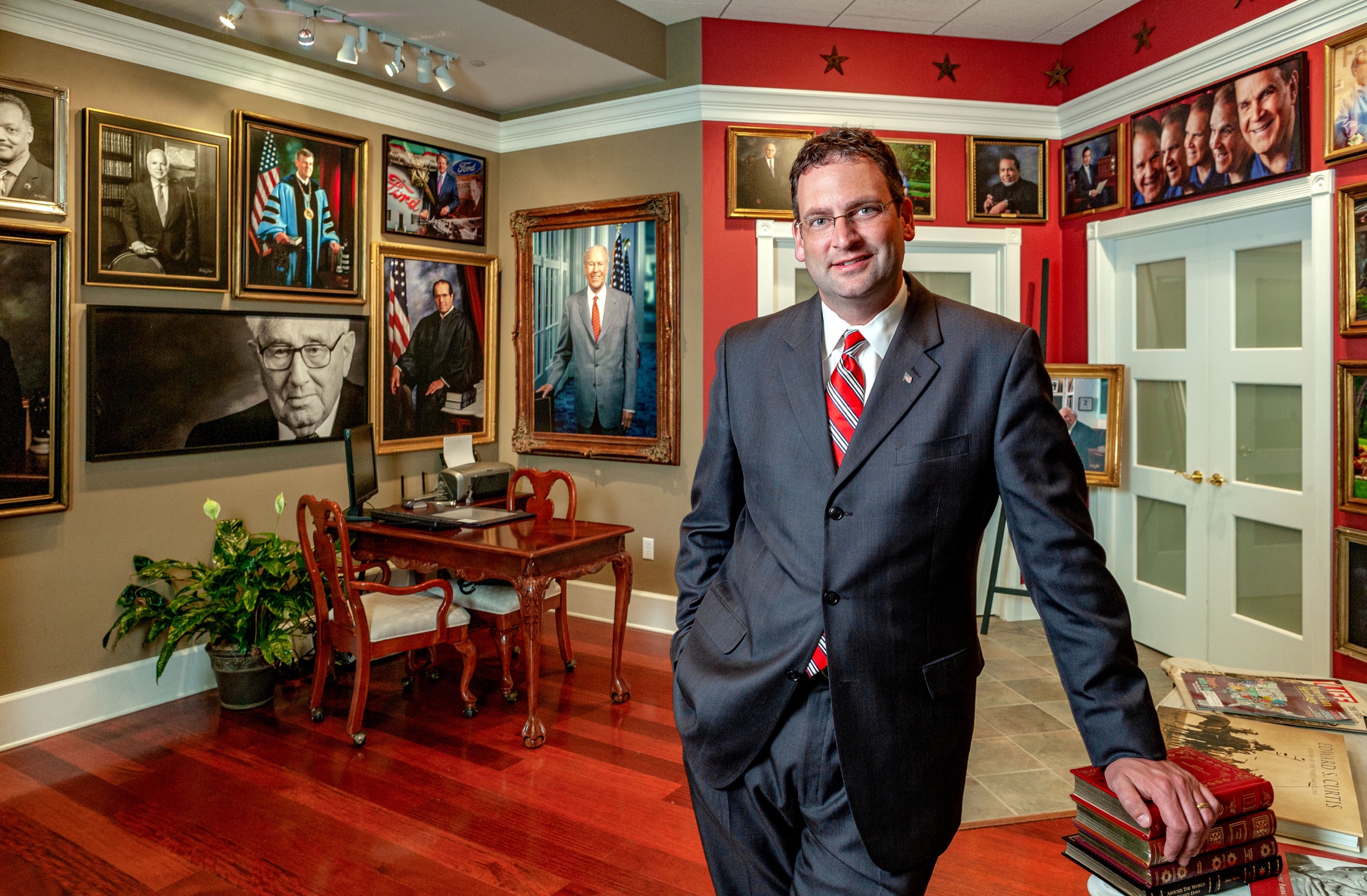
Amway Grand Plaza Hotel · Grand Rapids, Michigan · Photograph by Brad Gillette
Legacy Icons · Zeeland, Michigan · David J. DeJonge archive
DeJonge Studio
David began in his parents’ basement near Hudsonville, Michigan, and established DeJonge Studio in 1988. The business grew through news work, private portraiture, and referrals until it occupied a studio at the Amway Grand Plaza Hotel.
The setting mattered, but the real product was trust: a calm room, a prepared photographer, and a finished portrait intended to hold its presence beyond the sitting.
Studio evolution · 1988–2014
From orange shag carpet on Quincy Street to the light-wall gallery inside the Amway Grand Plaza, each space records a new level of reach, confidence, and craft.
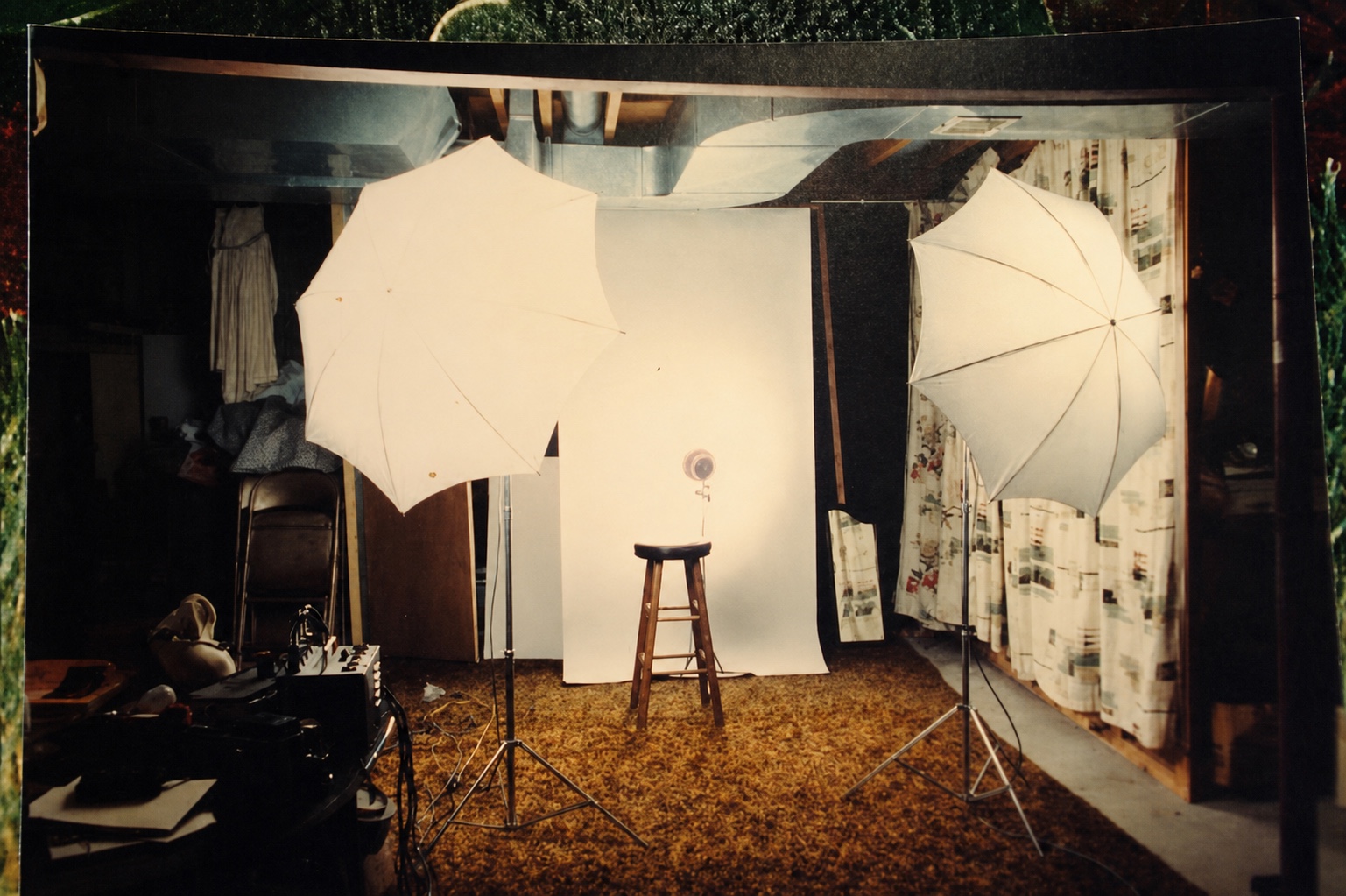
Hudsonville, Michigan. Carefully restored from the surviving studio photograph; the unaltered source remains preserved in the DeJonge archive.

Hudsonville, Michigan. David J. DeJonge in the reception and framing gallery of his early commercial portrait studio.
Grand Rapids, Michigan · July 24, 2007 · Photograph by Brad Gillette.
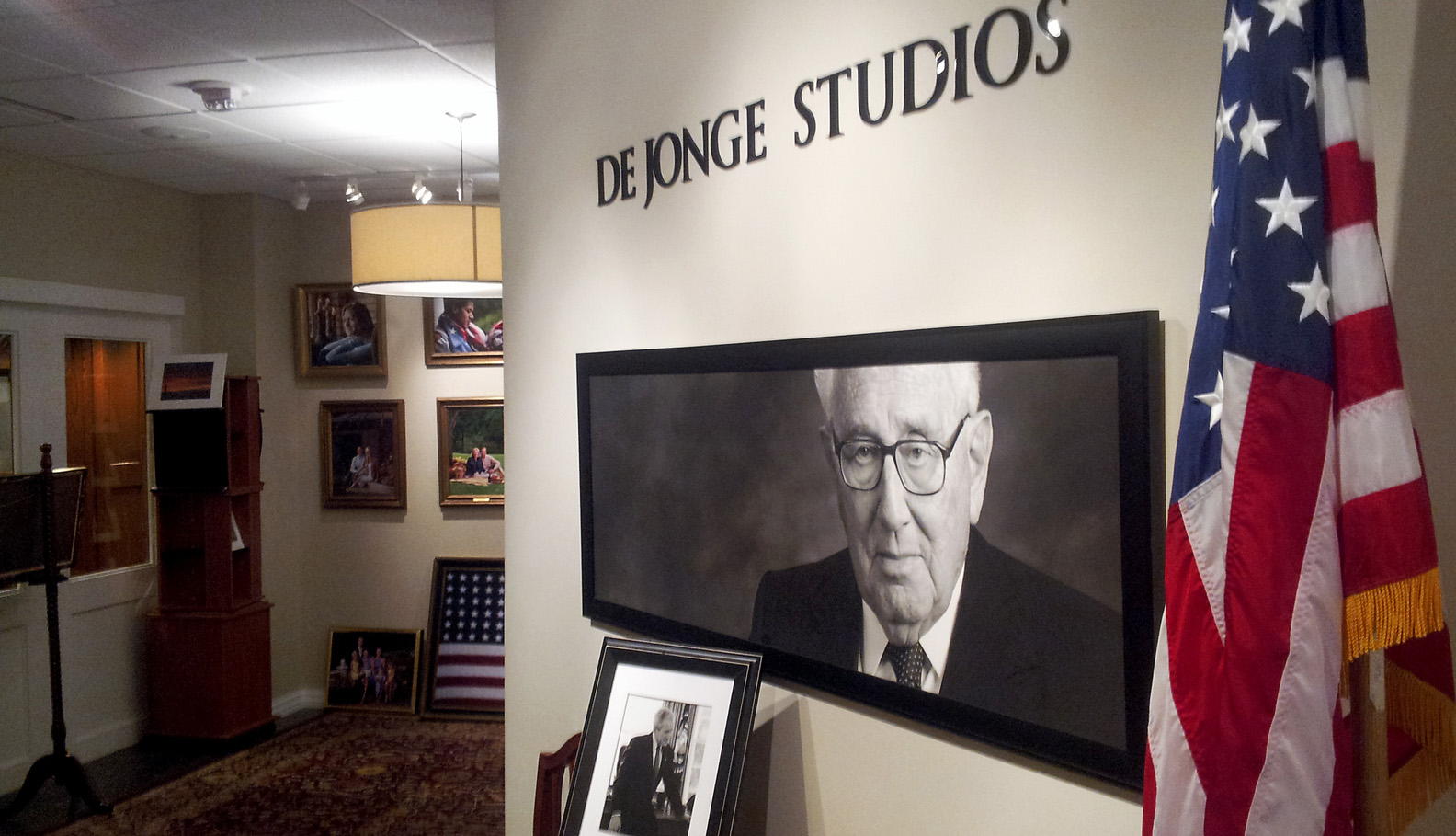
Grand Rapids, Michigan. A wider archival view of the final gallery, showing the DeJonge Studios name, framed portrait work, and the room itself.
A working portrait practice built from available space, practical necessity, and the willingness to begin.
Read the origin story →The professional studio is established and begins expanding through portrait, editorial, and commissioned work.
Open the career profile →An earlier Grand Rapids sitting produces an image used by Newt Gingrich’s organization and opens the door to Washington.
See the case record →Photographic reproduction, material standards, historical research, and institutional relationships are translated into sacred art.
Follow the second venture →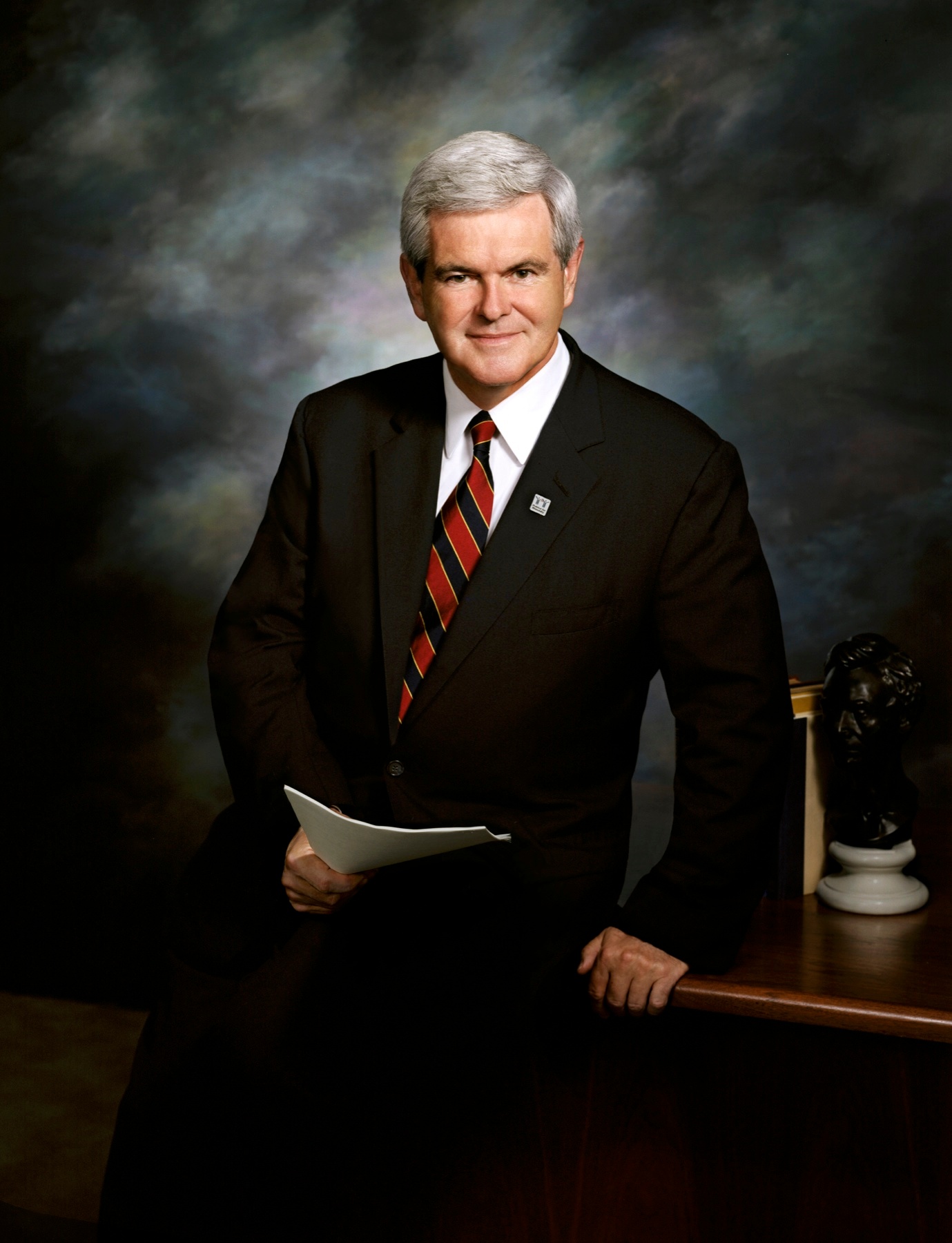
Case record · Trusted access
During an earlier Grand Rapids assignment, David asked for five minutes to photograph Newt Gingrich and received ninety seconds. He made a short series of large-format exposures. According to a 2003 trade profile, David then spent about a month preparing a finished 24 × 30-inch wall portrait and sent it to Gingrich’s office.
A signed 1999 letter confirms that the photograph appeared in the Friends of Newt Gingrich calendar, on newt.org, and in a political-action-committee brochure. A later Washington session, covered by Professional Photographer, brought Photogenic Lighting’s marketing director and Eastman Kodak’s Terry Deglau into Gingrich’s office while David worked with 4 × 5 and medium-format cameras.
Read the contemporary coverage“A great artist” and “a trustworthy and loyal friend.”
Newt Gingrich · signed letter · March 1, 1999
The finished print
As portraits began entering homes and institutions, David became increasingly concerned by color processes that changed visibly with time. He treated the physical print as part of the commission and began developing a studio workflow centered on color fidelity, carefully selected materials, and protective finishing.
Period studio materials described museum-quality papers, archival mounting, a confidential in-house lab, and a proprietary “DeJonge Finish.” David recalls combining pigment-based inks, selected fine-art paper, and a protective coating adapted from automotive finishing. He reports that surviving examples in his possession have remained visually stable for decades under their particular display and storage conditions.
This account describes David’s studio practice and long-term observation; it does not assign a laboratory-rated lifespan.
The screen, proof, paper, ink, and final viewing environment belong to one color decision.
Paper, mounting, surface, and finish determine how a photograph inhabits a room over time.
A significant portrait should be made with the future home, institution, and caretaker in mind.
Portrait meets process
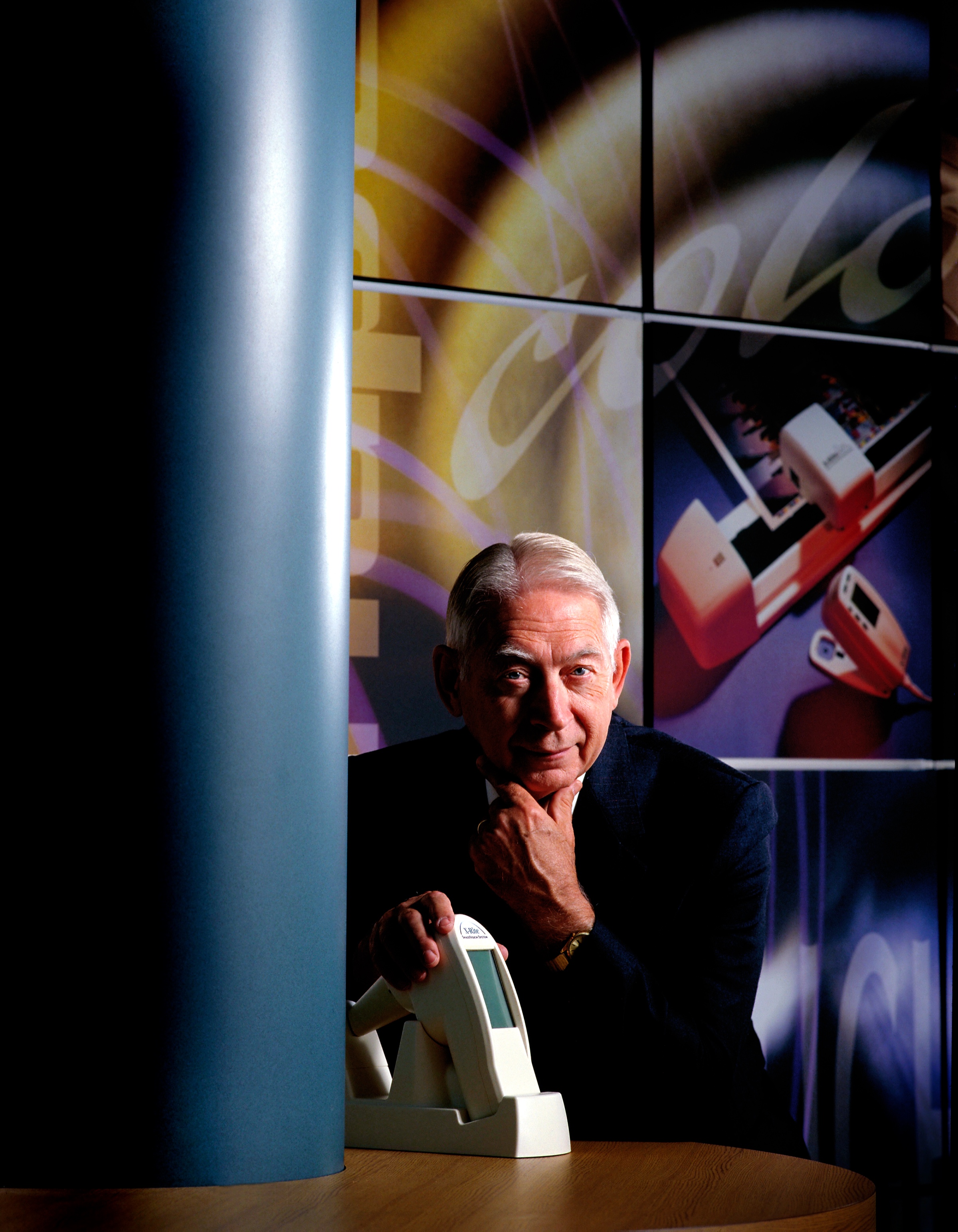
This commissioned portrait of X-Rite co-founder and longtime leader Darrell “Ted” Thompson was made for the Grand Rapids Medical Hall of Fame. David placed Thompson beside an X-Rite color-measurement instrument and within the company’s own visual language.
The sitting makes the studio standard tangible: color was not merely adjusted at the end. It was measured, translated, printed, and protected as one continuous act of authorship.
Read the institutional record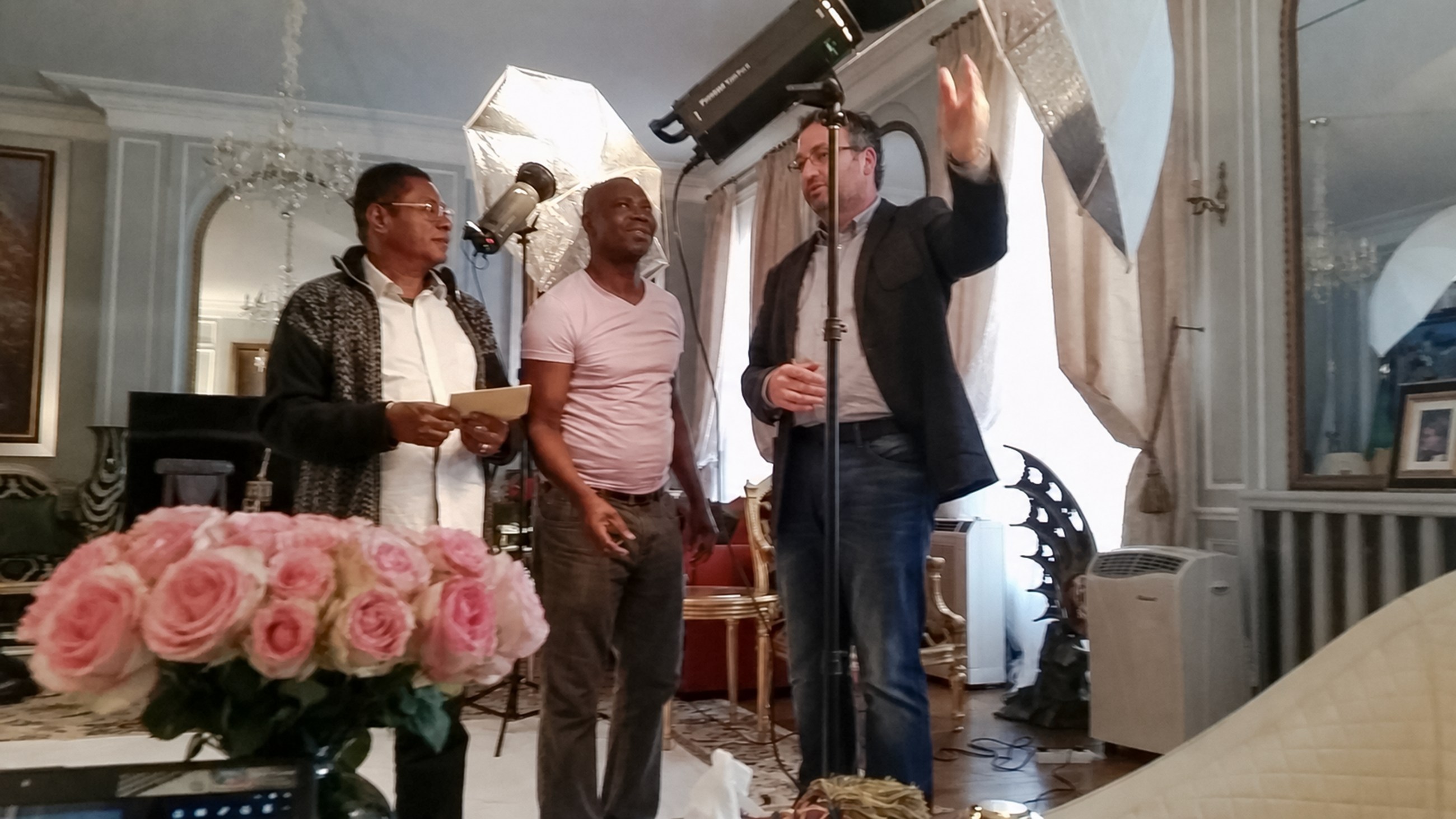
Knowledge shared
In Paris in 2015, David worked with photographers on the decisions behind a lighting setup—direction, control, falloff, and what the light should say about the subject. Teaching made tacit studio judgment visible and repeatable.
Photography and speaking inquiriesLegacy Icons
Legacy Icons brought together reproduction, color, material judgment, historical interpretation, customer education, and long-term relationships with Christian institutions. The subject changed; the founder’s method did not.
“Legacy Icons is the vehicle to share the faith. Growth is not the end goal; it is the result of serving the mission well.”
David J. DeJonge
David describes growth as a byproduct rather than the company’s ultimate purpose. The larger obligation is to make every touchpoint a truthful, nonconfrontational lesson in Christian history while caring responsibly for the employees and customers entrusted to the company.
Friends of Mount Sinai Monastery reports that David and the Legacy Icons team helped develop a replica-icon collaboration whose proceeds support Saint Catherine’s Monastery at Mount Sinai. It is enterprise serving continuity: make the object faithfully, tell its history clearly, and return value to the source institution.
The photograph was made at a church in New York City during a meeting with the Sinai delegation after a visit to The Metropolitan Museum of Art. David is pictured with Hieromonk Justin of Sinai—Father Justin, librarian of Saint Catherine’s Monastery and a widely published scholar of its manuscript tradition—and former Archbishop Damianos of Sinai.
Visit Legacy Icons Read the institutional account Read the faith and stewardship conversation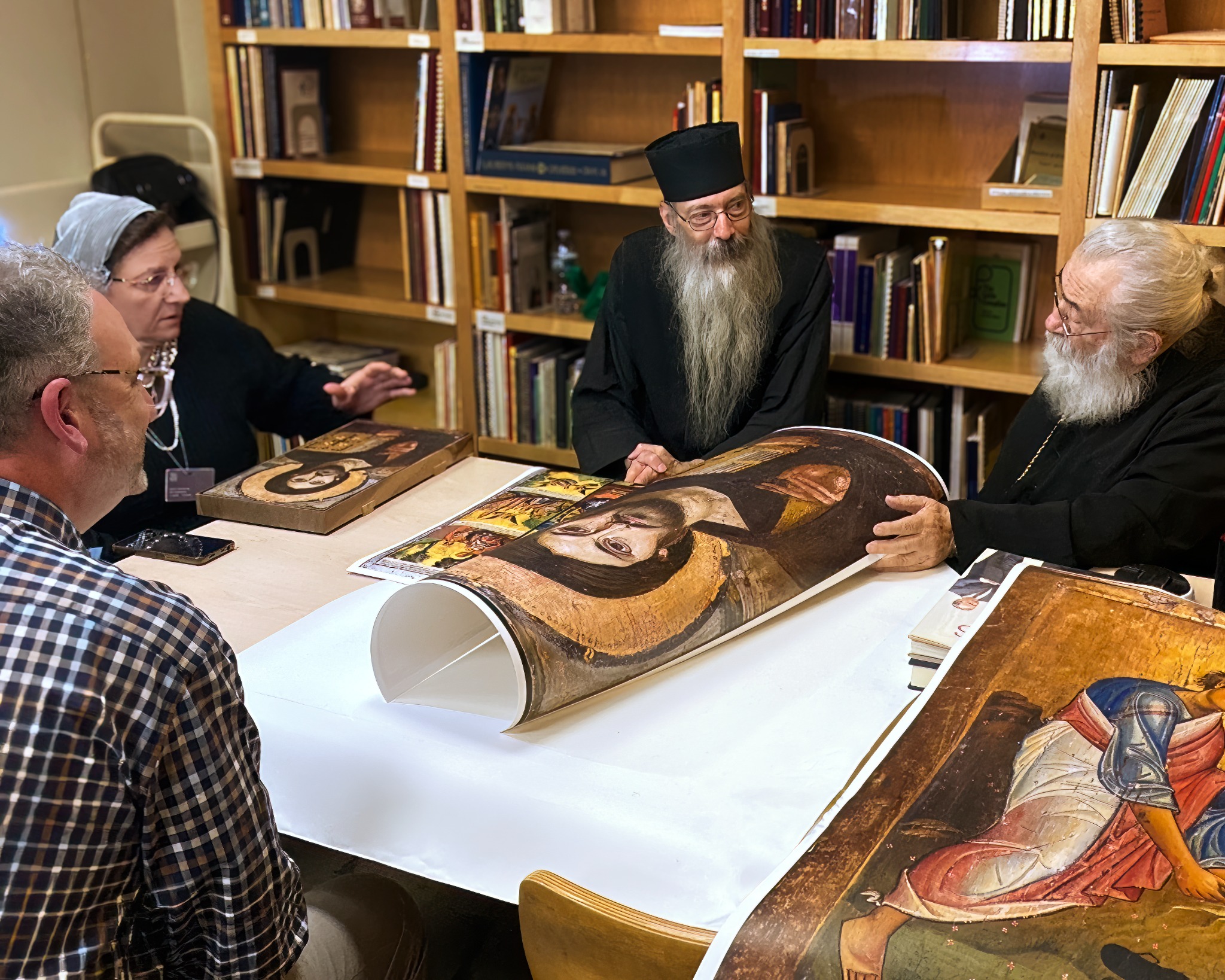
Company record · 2012–present
Legacy Icons began in 2012. Founder-provided sales records trace a sustained growth trajectory across the company’s history, with annual growth exceeding 40 percent in repeated years—not merely isolated bursts. By August 2026, David reported that the debt-free company had served more than 90,000 customers and was receiving more than four million website visits annually.
Founded in 2012. Company figures reported by the founder, August 2026. Annual visits refers to website visits, not unique visitors. Internal sales records support the historical growth characterization; the current figures are not presented as independently audited statements.
A physical enterprise
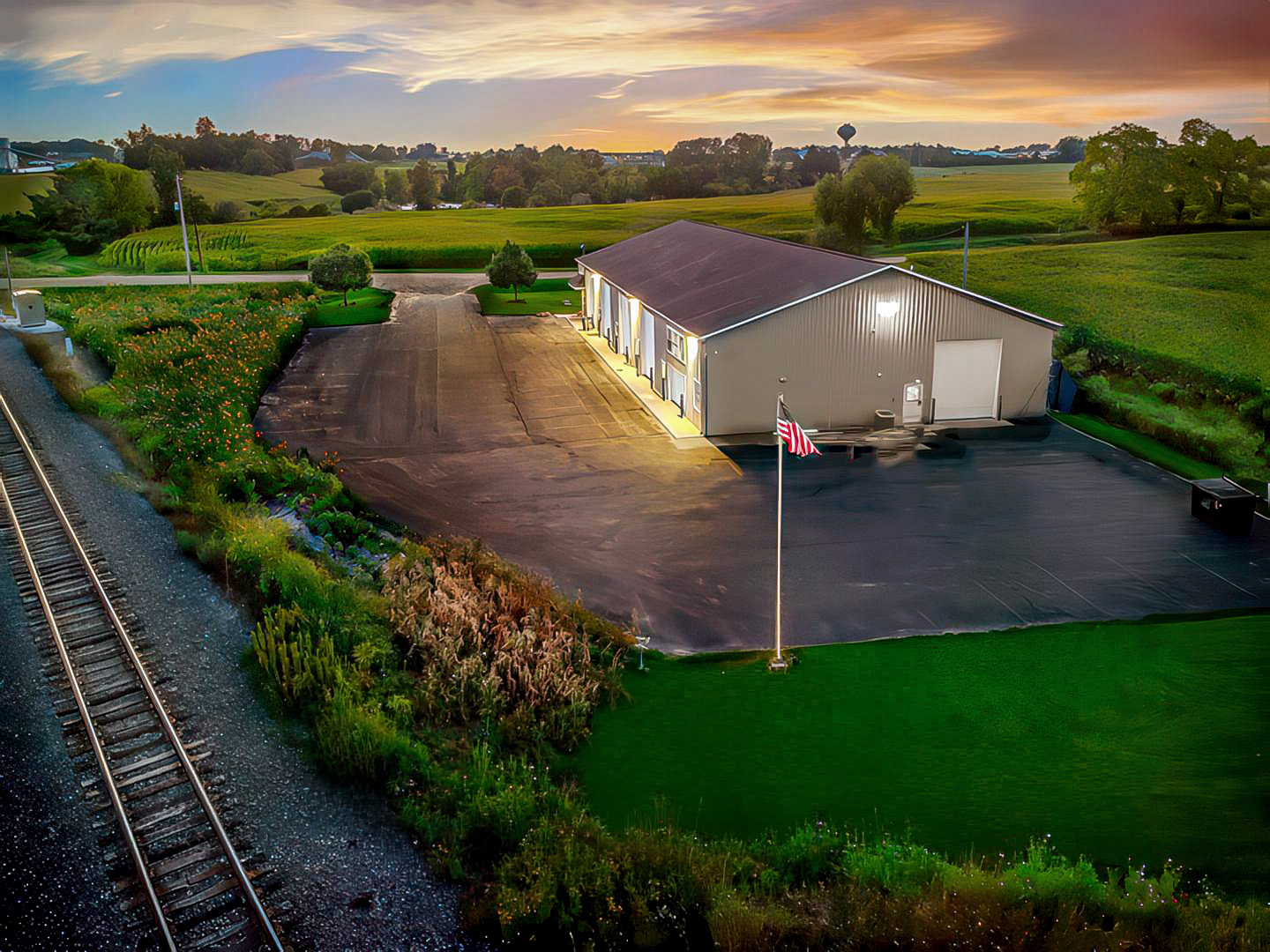
Legacy Icons is more than a digital storefront. Its Zeeland facility brings production, fulfillment, historical research and interpretation, customer care, and the stewardship of a growing sacred-art collection into one working operation.
The progression—from a basement portrait practice to a hotel studio and then a purpose-driven enterprise with its own physical home—is one of the clearest expressions of David’s career as a builder.
Watch & listen
Short films show the work, while two Ancient Faith interviews—recorded a decade apart—trace Legacy Icons from its early purpose to its collaboration with Saint Catherine’s Monastery at Mount Sinai.
Former Archbishop Damianos of Sinai and Father Justin of Sinai—librarian of Saint Catherine’s Monastery—review icon reproductions created through the collaboration with Legacy Icons.
Watch on YouTubeBobby Maddex talks with David about the monastery partnership and the reproductions growing from it.
Listen to the interview ↗ Ancient Faith · 2014 · 16 min.An early conversation about founding the company, the standard of its reproductions, and David’s work in film and television.
Listen to the interview ↗ Inside Legacy Icons · 33 sec.A brief glimpse of the spiritual rhythm that frames the company’s daily work in Zeeland, Michigan.
Watch the film ↗ Audience Favourite · Byzanfest 2015 · 5 min.Abbot Tryphon reflects on Eastern Orthodox Christianity in contemporary culture. The film won Byzanfest’s 2015 Audience Favourite award.
Watch the film ↗Founder method
Look for what is being lost: color, memory, access, historical understanding, or institutional attention.
Master the camera, print, archive, object, process, policy language, or relationship the work actually depends on.
Access to consequential people and institutions is earned through preparation, discretion, and follow-through.
Turn personal judgment into workflows, teams, products, documentation, and partnerships.
Persistence converts an assignment into a body of work—and sometimes a body of work into public action.
Partnerships & inquiry